Lake Manyara National Park
Tree-climbing lions beneath the Rift wall
Best time/November – May (flamingos & birding)
Getting there/1.5-hour drive from Arusha; sits at the base of the Rift escarpment en route to Ngorongoro.
The Tanzania experience
Discover Lake Manyara National Park
Ernest Hemingway called Lake Manyara 'the loveliest I had seen in Africa'. This slim park packs extraordinary variety into its 330 square kilometers: groundwater forests, acacia woodlands, hot springs, and the alkaline lake itself that blushes pink with flamingos.
The park is famous for its uncommon tree-climbing lions — a behavior scientists still debate — and for troops of blue monkeys and baboons that patrol the forest road.
Know before you go
A closer look
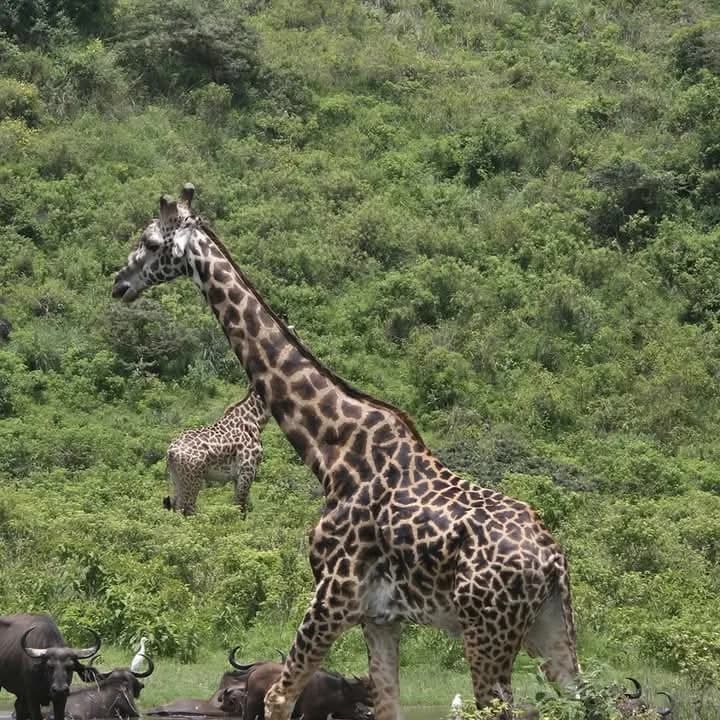
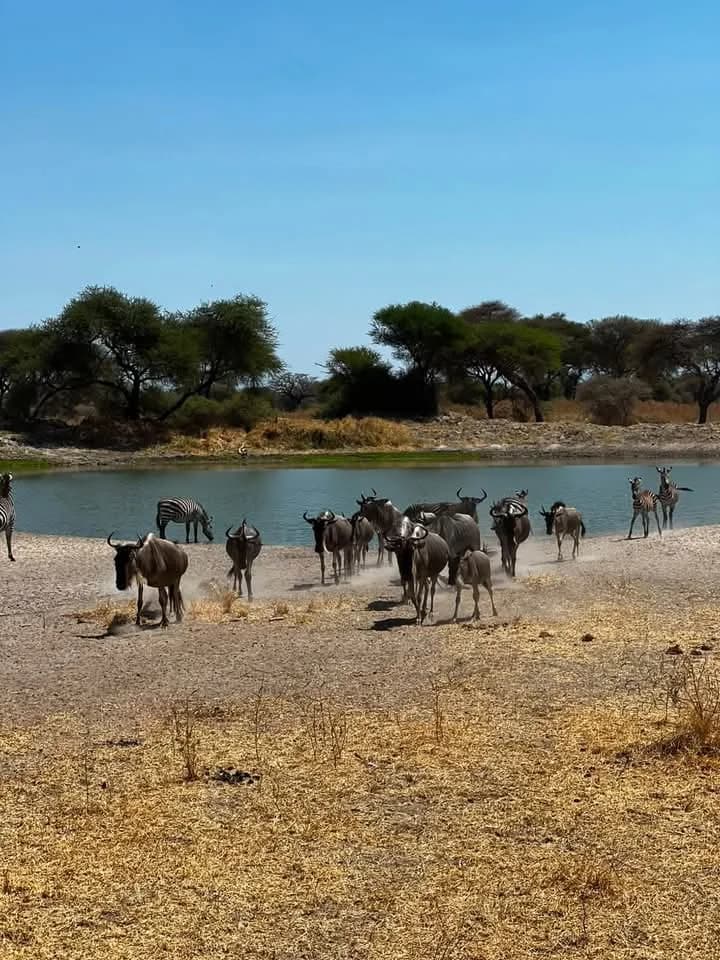
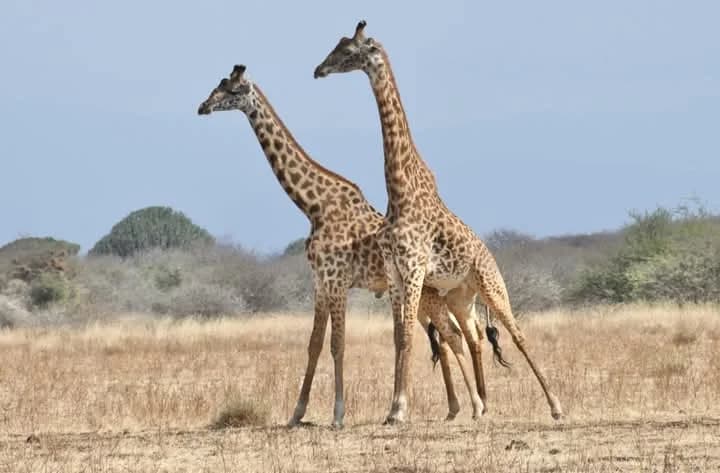
Squeezed between the towering Rift Valley escarpment and the lake, Manyara compresses an entire safari into a rewarding half or full day. The forest section shelters elephants and silvery-cheeked hornbills; the open floodplains host buffalo, wildebeest and giraffe; and the lake draws thousands of flamingos and pelicans in the wet season.
The park is also a model of groundwater-forest ecology, with springs seeping from the escarpment feeding a jungle few expect to find in East Africa.
People & place
History & culture
Protected since 1960, Manyara was the site of pioneering elephant research by Iain Douglas-Hamilton in the 1960s — the first scientific study of elephant social structure in the wild.
The name comes from the Maasai word 'emanyara', the plant Euphorbia tirucalli, which the Maasai used as a living livestock enclosure.
A glimpse of the wild
Moments from Lake Manyara National Park
See it for yourself
Visit Lake Manyara National Park on a private safari
Tell us your dates — we'll build the itinerary around it.