Olduvai Gorge
The cradle of mankind
The details that make a difference
A quick, practical overview to help you picture the visit and plan with confidence.
Destination
Ngorongoro Conservation Area
Best time to visit
Year-round (combined with crater visits)
Park / entry fee
$10 per person (museum)
Getting there
45 minutes east of Ngorongoro Crater on the Serengeti road.
Get to know this place
Olduvai Gorge, beyond the postcard
Here’s what to expect, what to look forward to, and the practical context behind your visit.
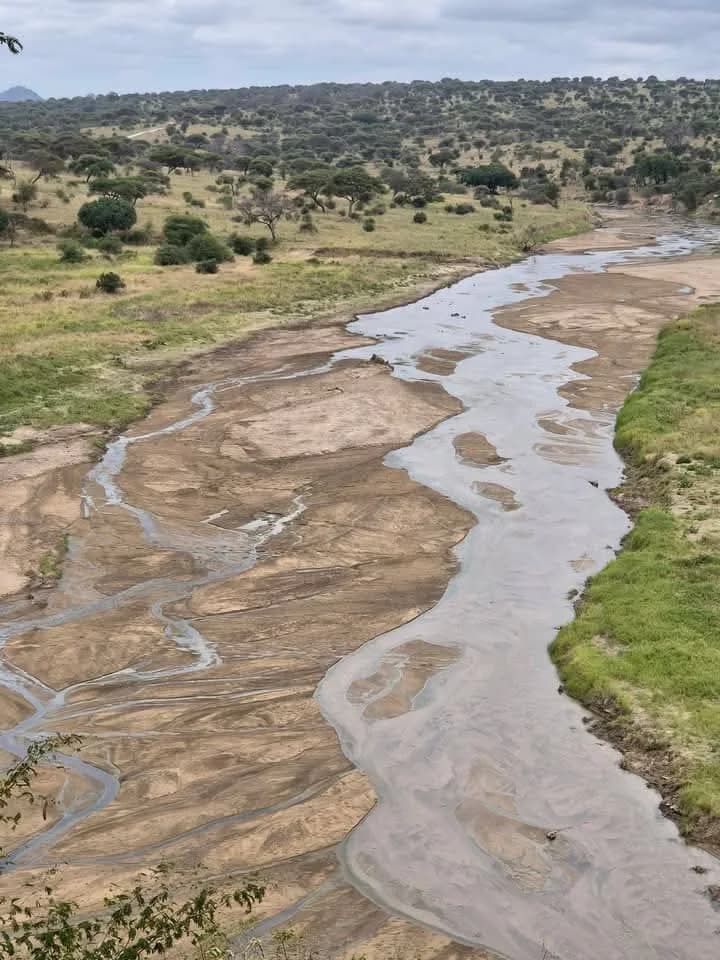
A 48km-long canyon sliced into the Serengeti plains, Olduvai Gorge holds nearly two million years of human history. Here Louis and Mary Leakey uncovered hominid fossils and stone tools that rewrote the story of human origins.
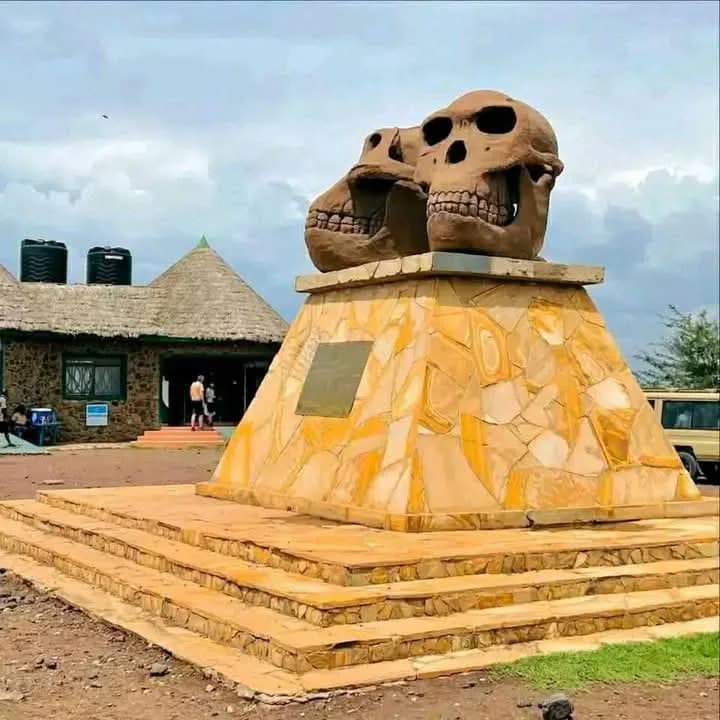
The small on-site museum walks you through the discoveries — from 'Nutcracker Man' to the famous Laetoli footprints preserved in volcanic ash 3.6 million years ago.
Reasons to remember
The moments that make it worth the journey
- Museum with original fossil casts and lecture
- Laetoli hominid footprint site (3.6 million years old)
- Viewpoint over the excavated gorge layers
- Mary Leakey's excavation camp recreation
Context for your journey
A little more about Olduvai Gorge
Olduvai (the Maasai 'Oldupai', after the sisal-like plant growing in the canyon) sits within the Ngorongoro Conservation Area between the crater and the Serengeti. Its layered deposits record changing environments and the hominids who adapted to them.
Active research continues today. Most northern-circuit travelers stop for the excellent 45-minute museum talk and viewpoint over the excavated beds en route between Ngorongoro and the Serengeti.
See it for yourself
A glimpse of Olduvai Gorge