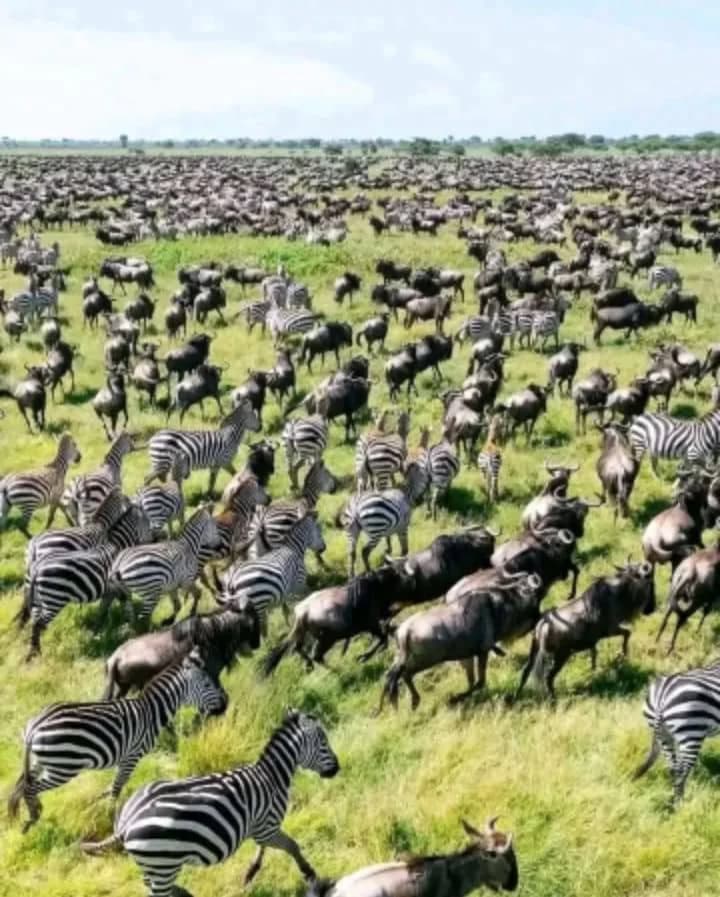
The Great Wildebeest Migration
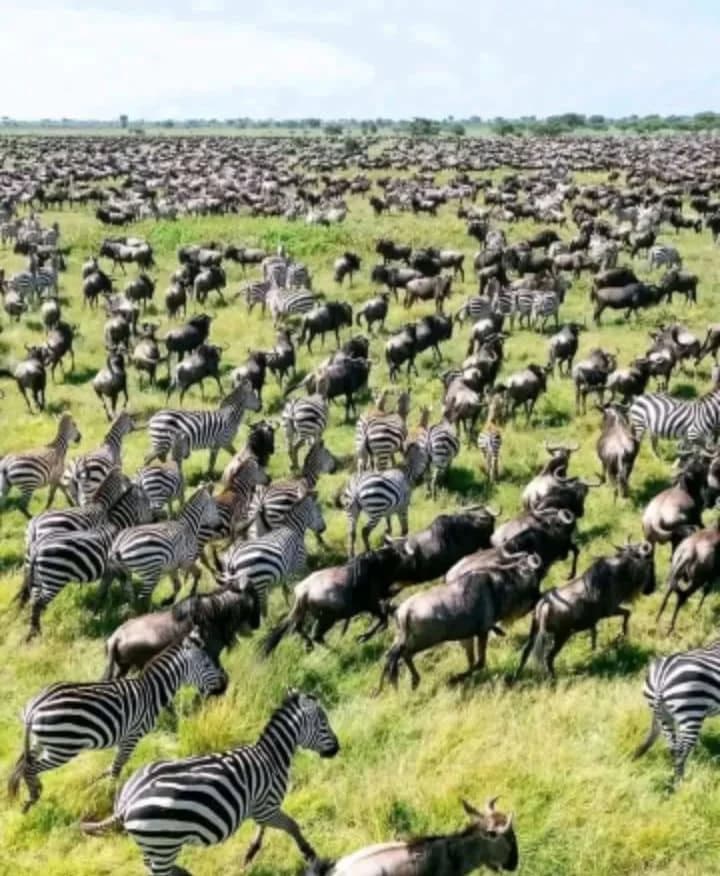
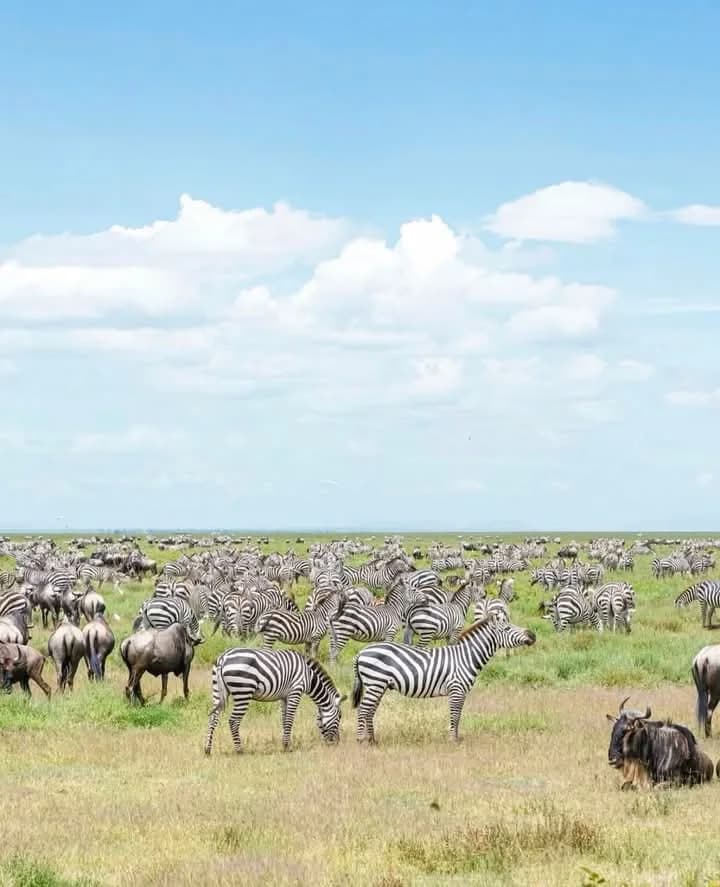
1.5 million animals on the move
The details that make a difference
A quick, practical overview to help you picture the visit and plan with confidence.
Destination
Serengeti ecosystem, northern Tanzania
Best time to visit
January – March (calving), July – October (crossings)
Park / entry fee
Included in Serengeti park fees (from $83/day non-resident)
Getting there
Within Serengeti National Park — position via Seronera, Lobo or Kogatende airstrips.
Get to know this place
The Great Wildebeest Migration, beyond the postcard
Here’s what to expect, what to look forward to, and the practical context behind your visit.
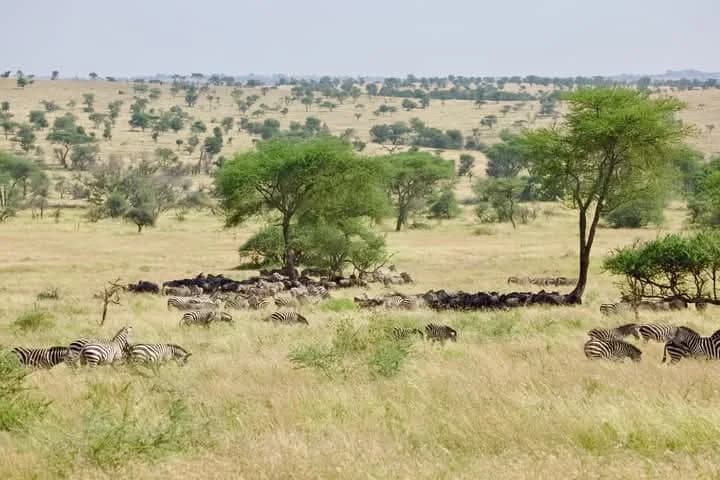
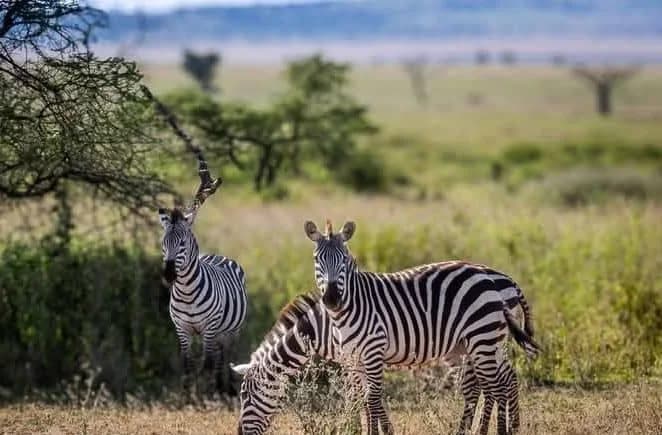
The single greatest wildlife spectacle on Earth: nearly two million wildebeest, zebra and gazelle circling the Serengeti-Mara ecosystem in an endless 800-kilometer search for rain and grass.
The deadly river crossings — wildebeest plummeting into crocodile-filled water at the Mara and Grumeti — are documentary-famous, but the calving season's daily birth-and-predator drama is just as gripping.
Reasons to remember
The moments that make it worth the journey
- Mara River crossings — July to October
- Calving season: 8,000 wildebeest born per day — January to March
- Grumeti River crossings in the western corridor
- Predator density: lions and hyenas following the herds
- Balloon safari over the moving columns
Context for your journey
A little more about The Great Wildebeest Migration
The migration follows the rains in a rough annual loop: southern calving plains (Jan–Mar), western corridor Grumeti crossings (May–Jun), northern Mara River crossings (Jul–Oct), and the return south through the east (Nov–Dec).
Herd positions shift week by week with the weather. We track them daily through guide radio networks and camp reports, positioning mobile camps so you are always within striking distance of the action.
See it for yourself
A glimpse of The Great Wildebeest Migration